
Leading Systemic Change:
Building an Evolving a Design System
PROBLEM
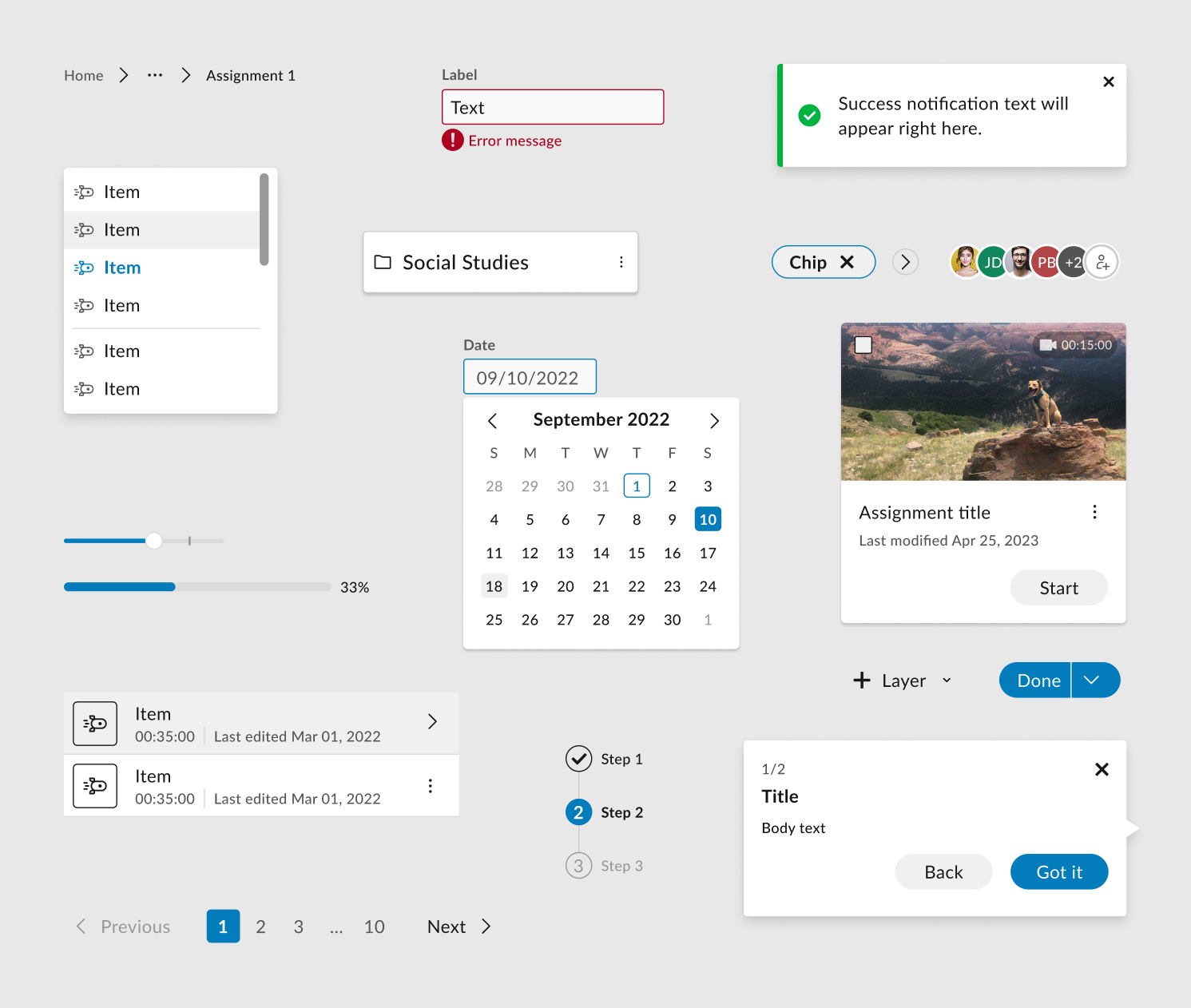
Years of rapid organic growth at WeVideo, led to inconsistent experiences.
Core components were often rebuilt rather than reused contributing to technical debt and extending development timelines.
OUTCOME
15% decrease in Dev time
40% decrease in QA time
At the cusp of a new era
WeVideo was preparing to launch its next-generation platform, built specifically for the K-12 education market. It was a high-stakes moment: a new user base, new expectations, and a UI that hadn't kept pace with either.
Problem
Years of rapid organic growth had produced a product that looked and behaved inconsistently across surfaces. Core components (buttons, modals, form fields) were routinely rebuilt from scratch instead of reused, because there was no shared source of truth for what "the button" actually was.
Our button component alone had accumulated 14 undocumented variants across the product. A feature that should have taken 5 days to ship was taking 7, largely because every engineer was re-solving problems design had already solved elsewhere.
This wasn't just a visual inconsistency problem - it was a velocity problem. Every rebuilt component was new surface area for bugs, new QA overhead, and a slower path to the K-12 launch we were racing toward.
How might we mature our experience while preparing our processes and system for future growth?
Phase 1
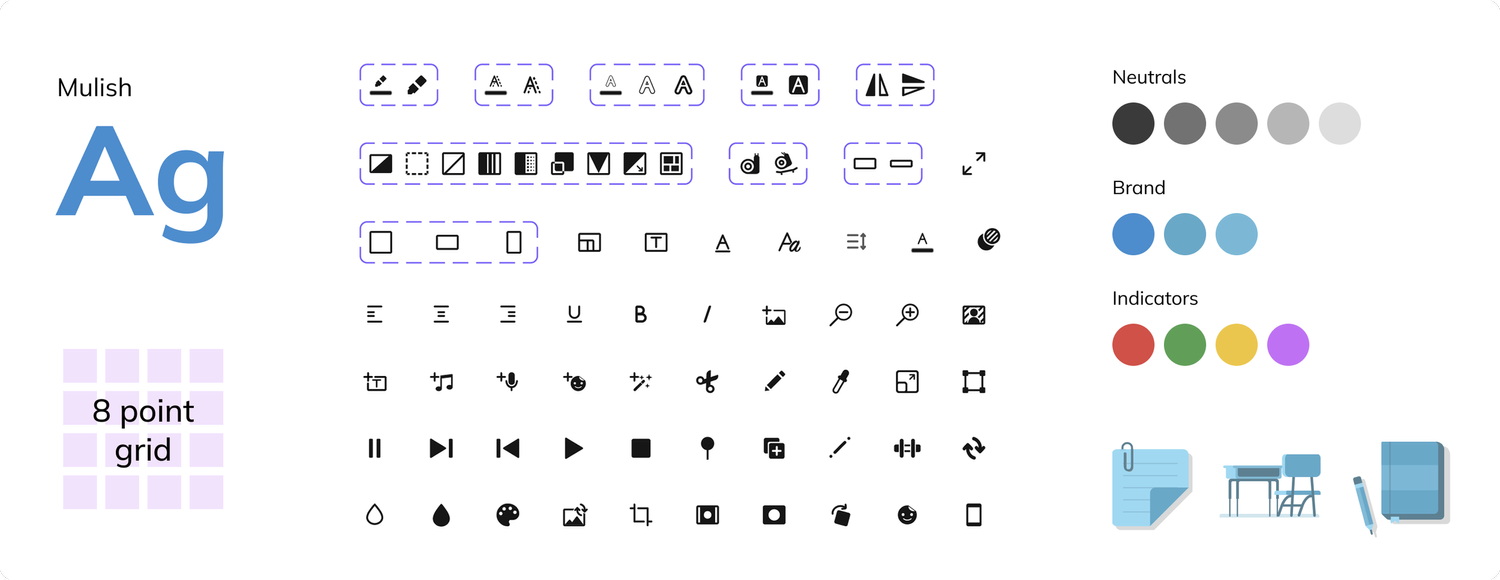
With limited buy-in for a full design system, I took an incremental approach. We established core styles for our new experiences, made simple CSS improvements to the existing experience to refresh and begin to pivot, and collaborated with developers to research adaptable libraries.
Changing the culture
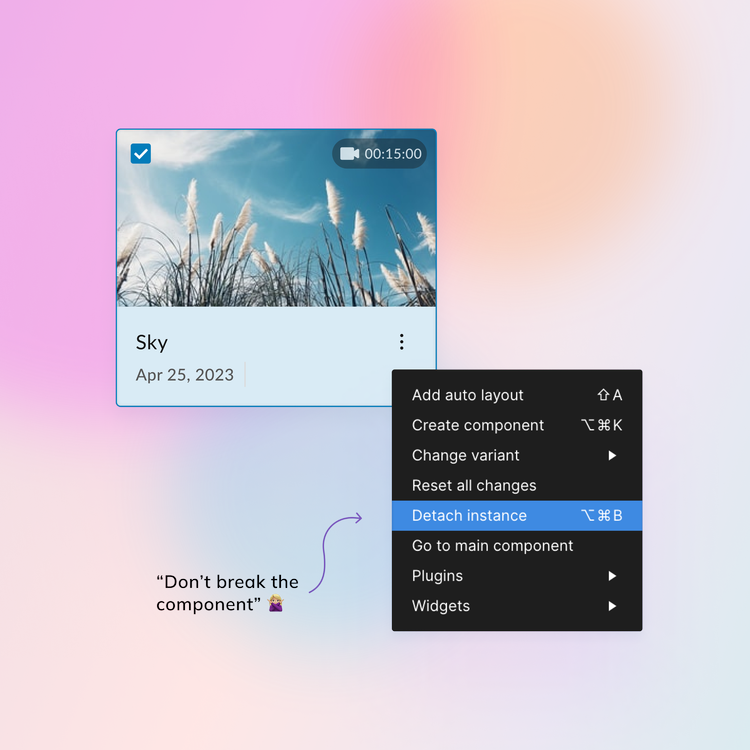
Establishing the system was one thing, sticking to it? That became our first challenge. We all needed to pivot our culture and remain true to our principle: Reusability.
We pledged to keep each other accountable. During design critiques or code-reviews we had representatives reminding us to use what we had before creating a variant.
Our collective goal was to design a platform that looked cohesive and was faster to build, so we needed everyone’s focus for it to happen.
Taking shape
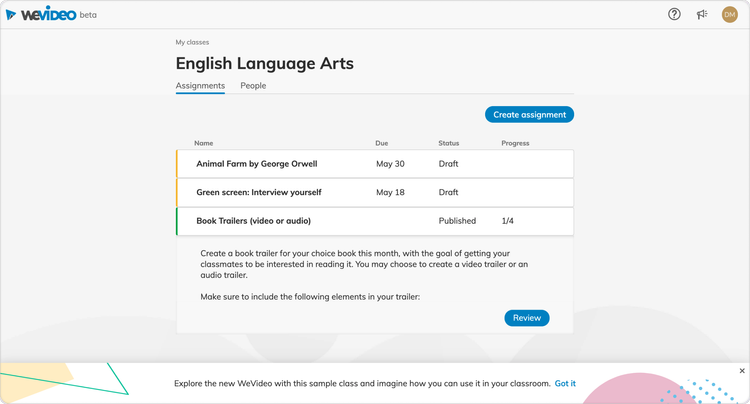
As we created prototypes of the next-gen experience we used the style guide we defined on phase 1. This helped us find the gaps and test the reusability of our system.
We made intentional tweaks along the way discussing them as a team before introducing new variants to ensure we were remaining within the system.
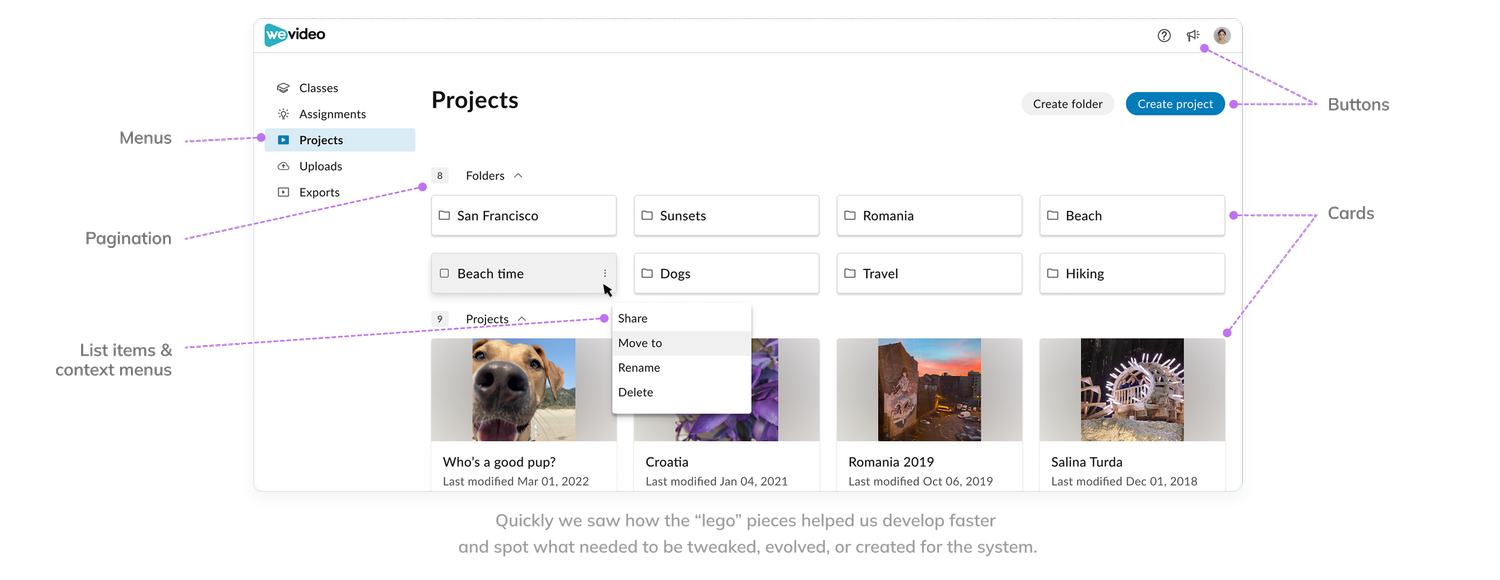
Image shows an example of the new pages using the system.
Phase 2
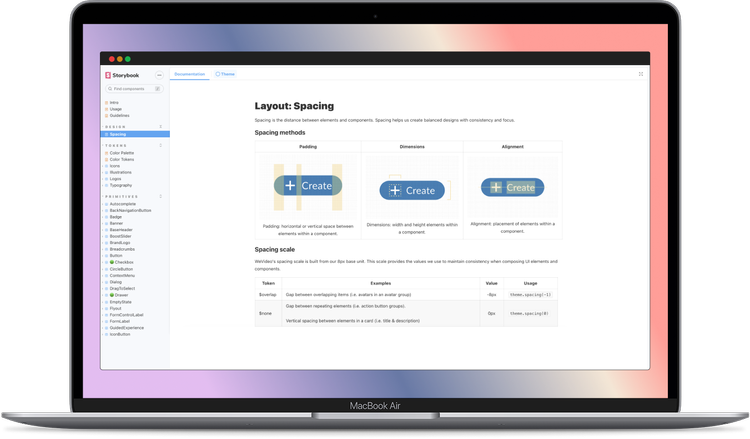
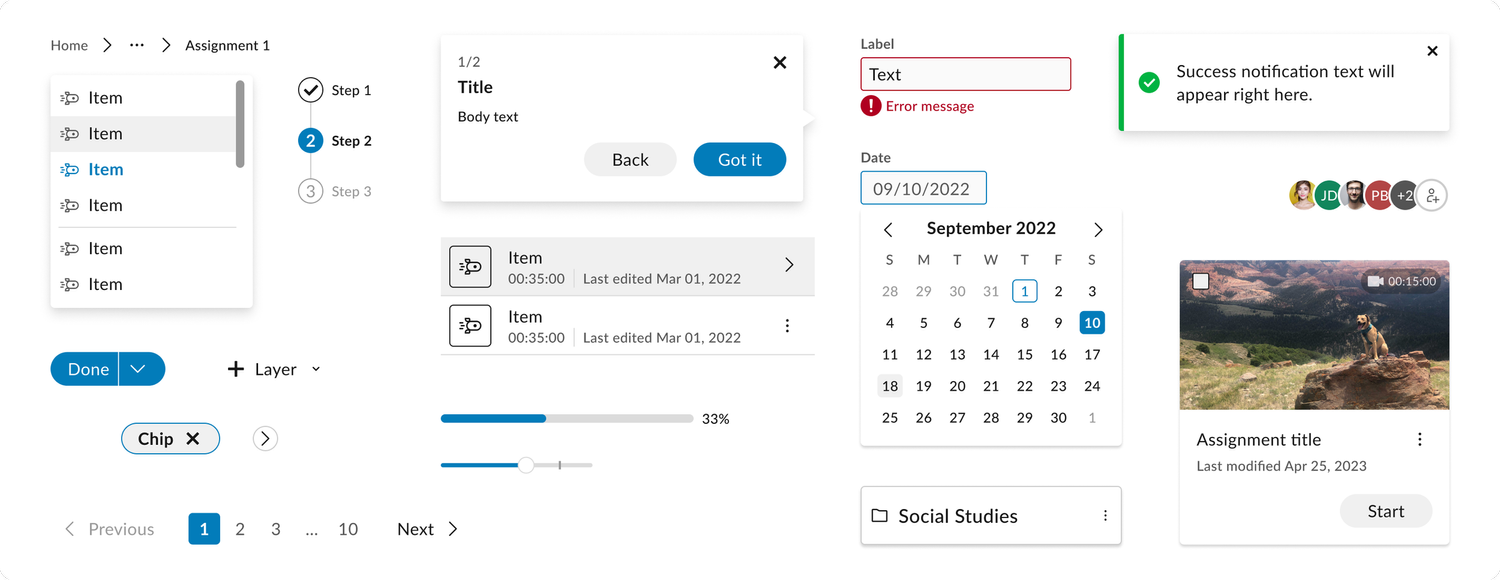
Having proven the system’s impact, I assigned a designer to lead its next phase with two developers. They established processes and tools to ensure consistent growth and maintenance including regular reviews, documentation, and tokens.

Learnings and results
Establishing a system is an initiative. Learning how to advocate and plan for this long-term investment is critical for its success.
The system brought consistency to the product and an exponential increase in efficiency to our team. Leaving this legacy is one of my proudest achievements at WeVideo.