
Redesigning Classroom Management at Scale
Leading research and product strategy to modernize the teacher workflow for 8M+ K-12 users
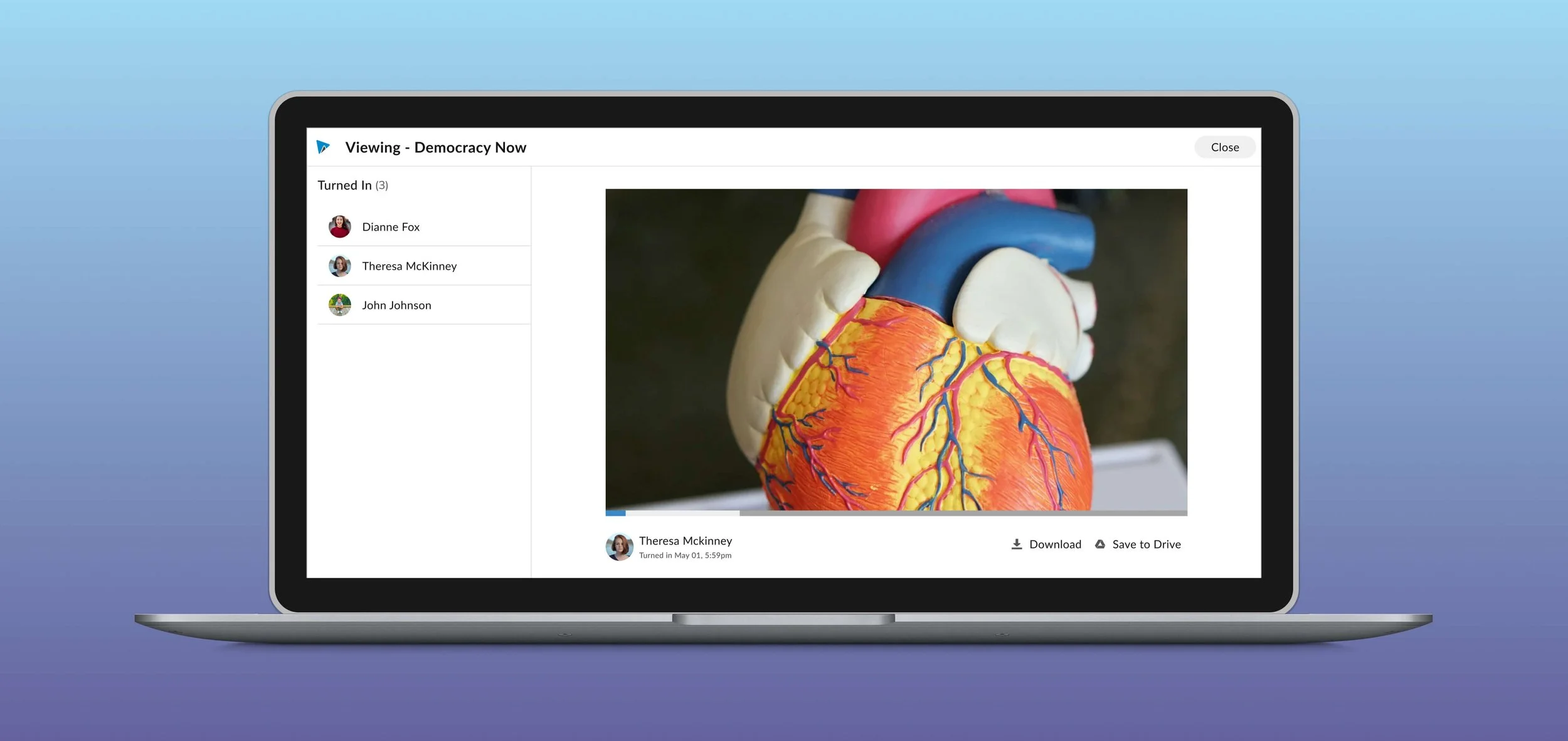
Responsibilities
Product strategy
UX research
Information architecture
End-to-end interaction design
Executive stakeholder alignment
Design direction through implementation
Overview
WeVideo served more than 8 million educators and students, yet one of its most critical teacher workflows had accumulated years of UX and technical debt. Classroom management required manual workarounds for assignments, permissions, collaboration, and progress tracking, creating daily friction for teachers and increasing support costs.
As Lead Product Designer, I led discovery, product strategy, and execution to redesign classroom management around how educators actually teach rather than how the system was architected.
Problem
WeVideo’s admin and class management tools didn’t meet teachers’ needs. Many resorted to workarounds to mimic assignment workflows, leading to confusion, longer task times, and frequent troubleshooting.
Role
Lead Product Designer
Team
1 Product Designer (Lead), Product Manager, Engineering Manager, 6 Engineers, Customer Success, Education Partnerships
Timeline
4 months
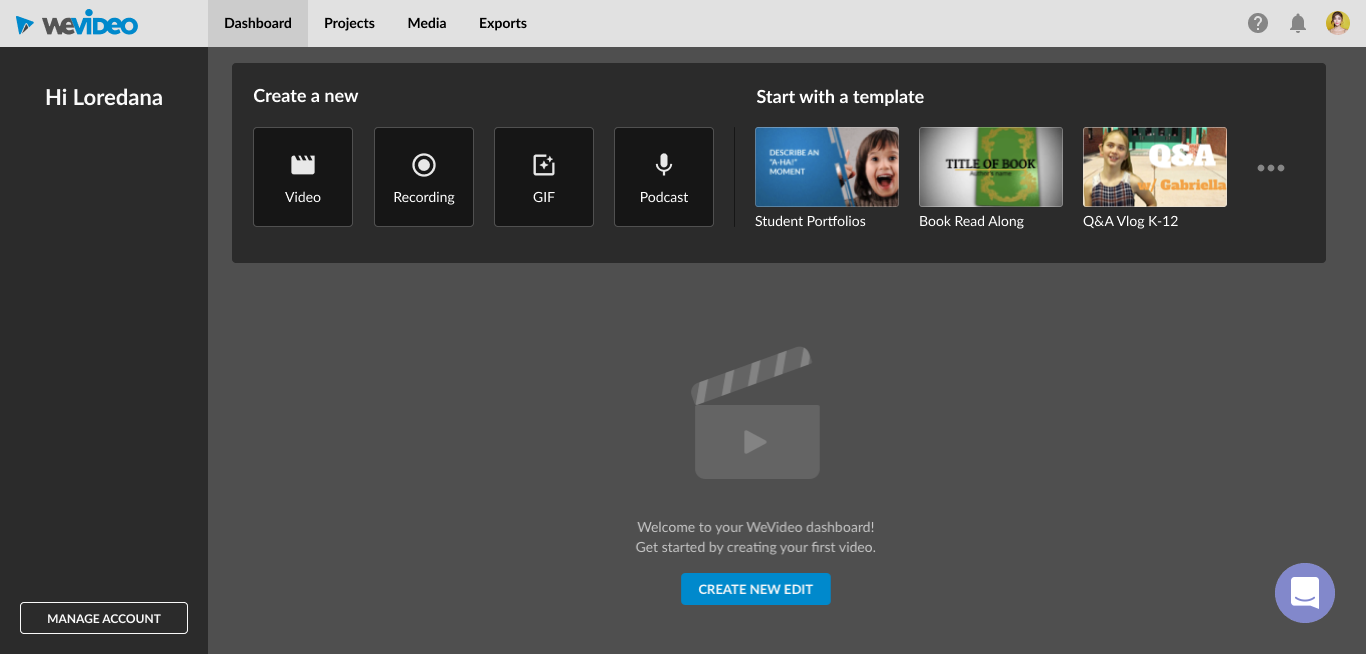
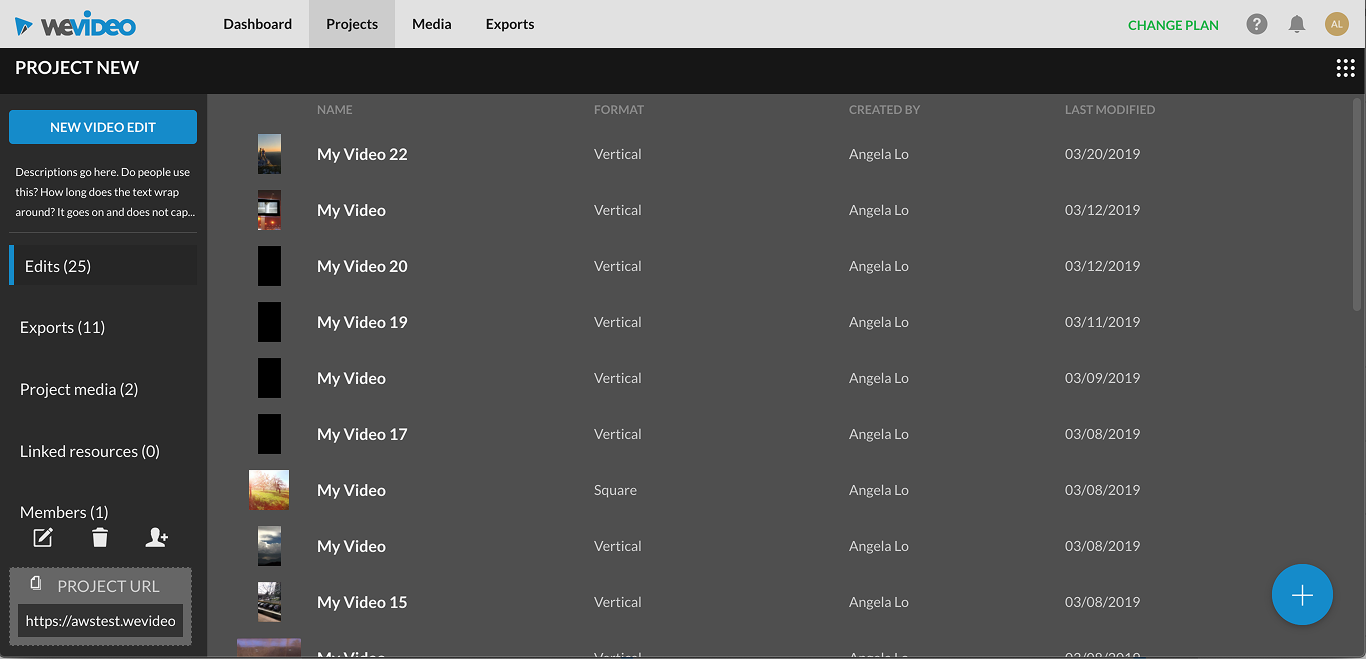
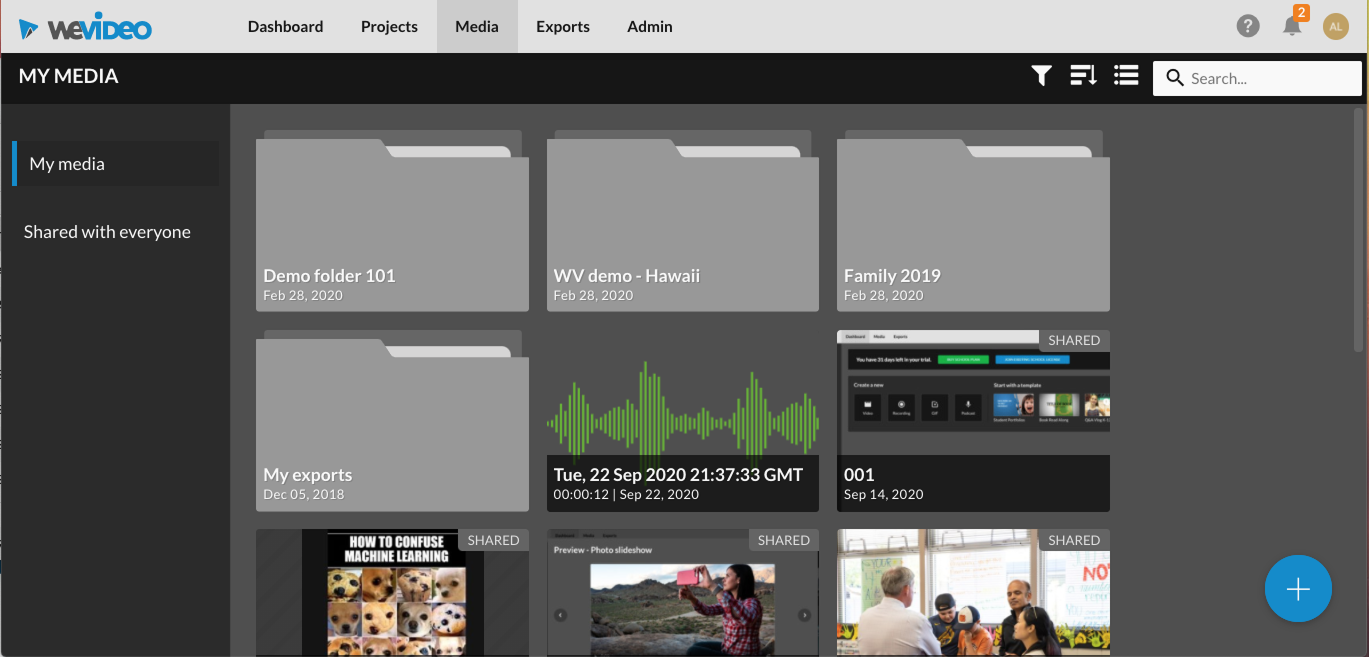
Before
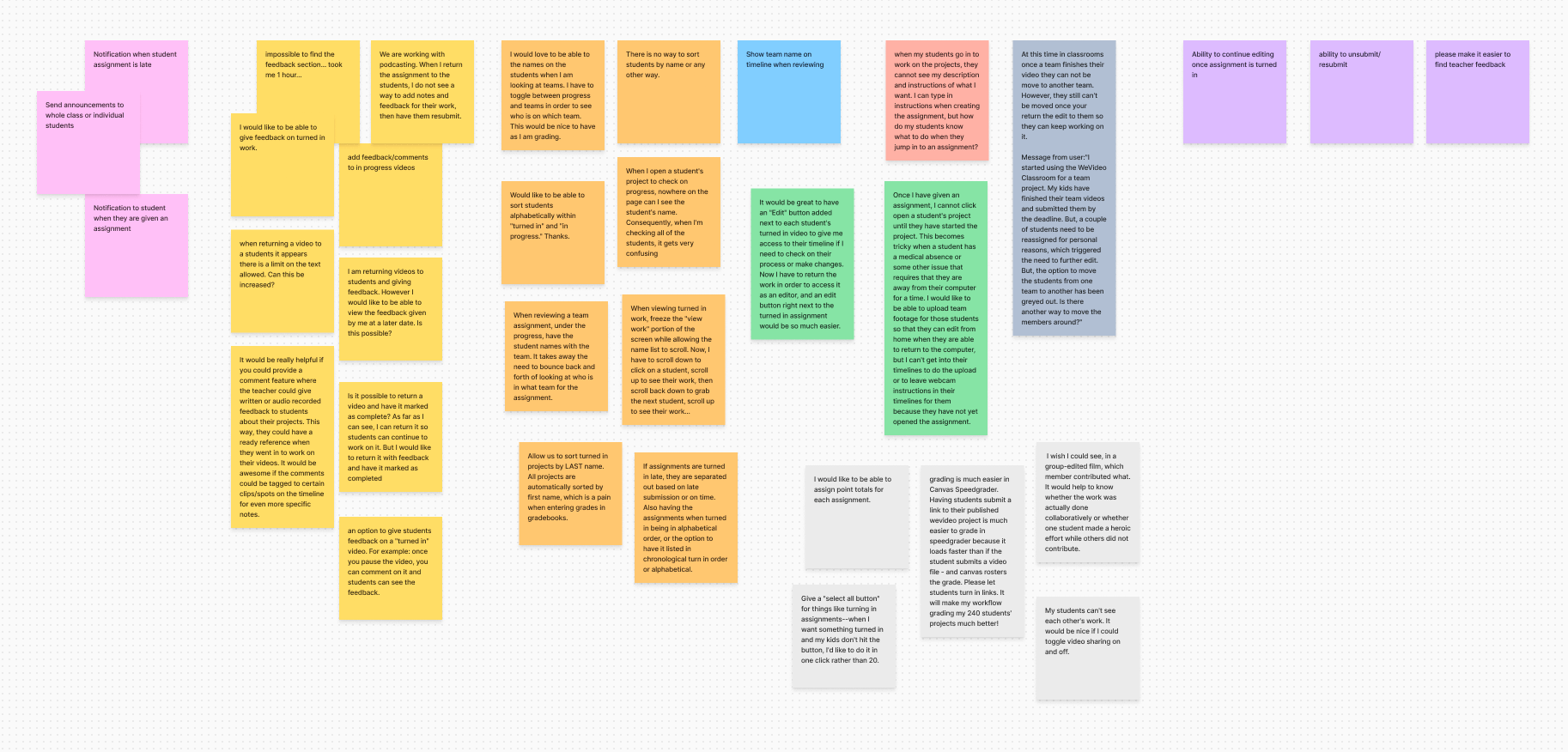
Rather than uncovering isolated usability issues, the research exposed three structural problems.
1. Classroom navigation conflicted with teachers' mental models
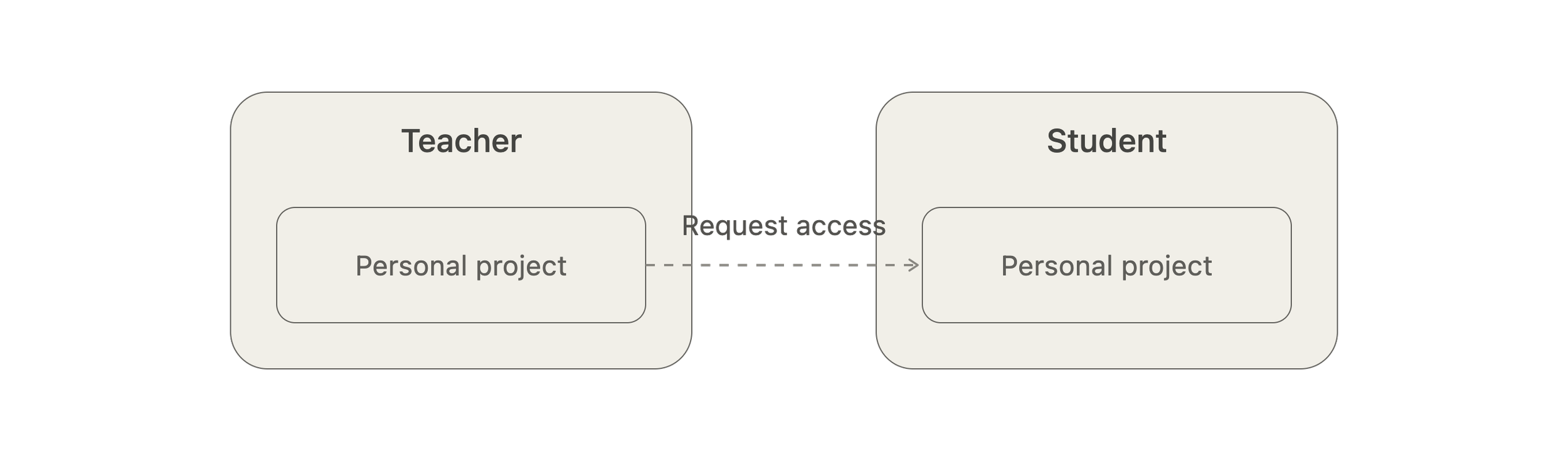
Students searched for assignments inside personal project spaces rather than classroom spaces. Teachers could not easily review student work without requesting access project by project. The product optimized around user accounts rather than classrooms.
“Students can’t easily find the projects I assign to them. I waste a lot of time guiding them through to locate them.”
2. The permissions model no longer scaled
Teachers could unexpectedly access student work created in unrelated classes. While technically functional, the behavior violated educators' expectations around classroom ownership and privacy. The issue was not simply permissions. The underlying ownership model no longer reflected how schools operate.
“It is problematic that I can see student’s work made in other classes. I expect to see only the videos they make in my class.”
3. Collaboration disrupted instruction
When teachers needed to help students, they often had to remove them from projects before making edits. Instead of supporting collaborative teaching, the workflow interrupted learning. Teachers wanted to coach students, not temporarily replace them.
Cross-Functional Leadership
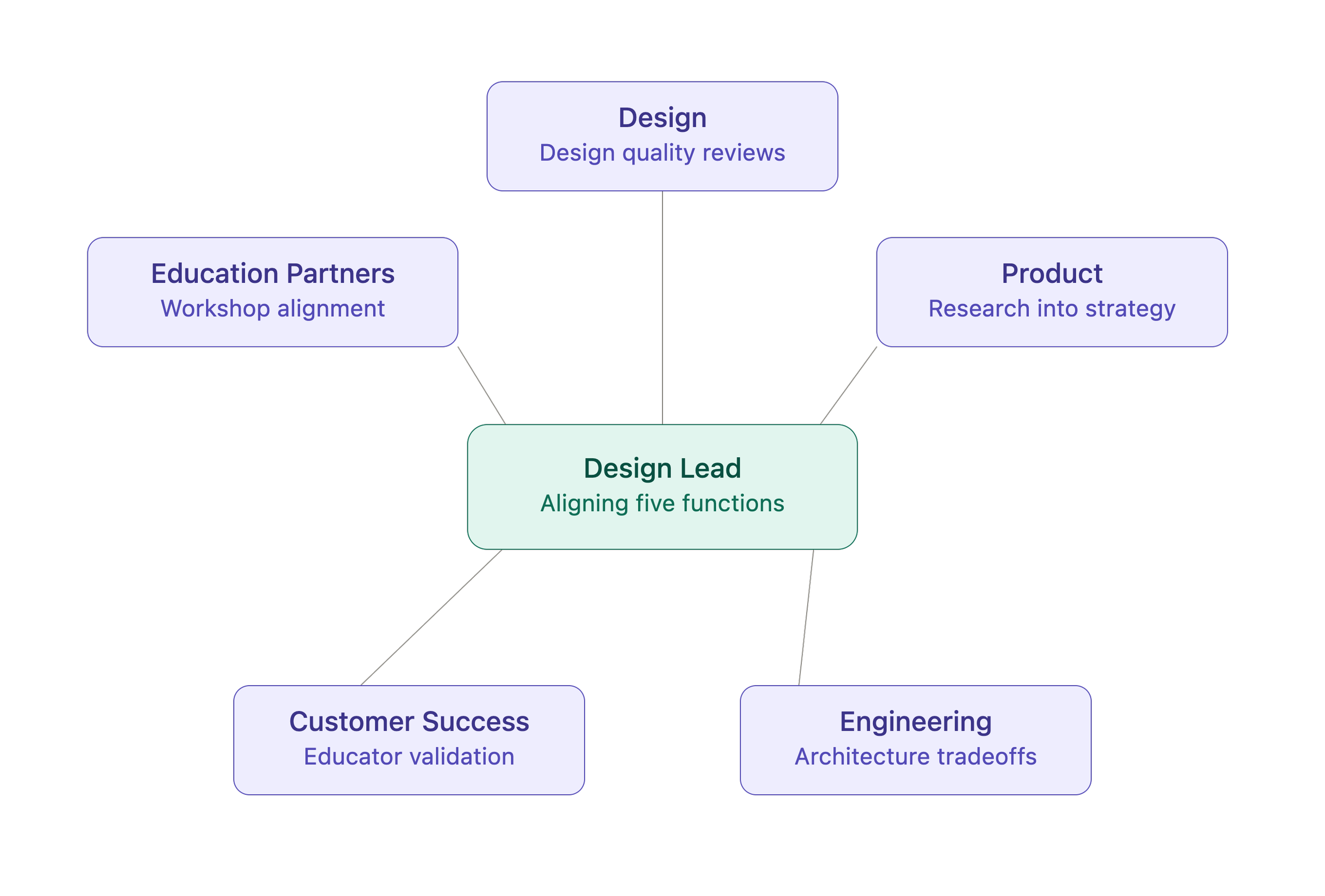
Beyond design execution, I aligned Design, Product, Engineering, Customer Success, and Education teams around a shared vision for classroom management.
I translated research into product strategy, facilitated architectural tradeoff discussions, validated workflows with educators, and maintained design quality through implementation.
Constraints & Tradeoffs
Modernizing classroom management meant balancing ambitious product improvements against the realities of an existing platform.
Key constraints included:
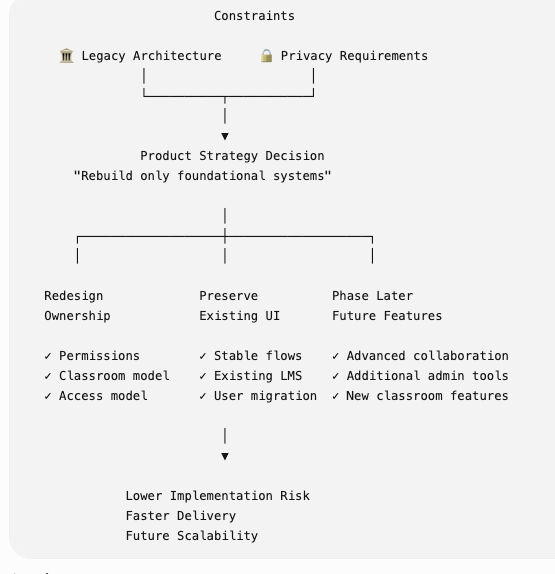
Legacy classroom architecture
Existing school implementations
Classroom privacy requirements
Engineering capacity and roadmap commitments
Backward compatibility for existing educators
Rather than pursuing a complete rebuild, we identified which foundational systems required redesign and which could evolve incrementally.
This approach reduced implementation risk while creating a scalable foundation for future education capabilities.
“I can’t troubleshoot student’s work unless I kick them out of the project. Why can’t we both work at the same time?”
How might we scaffold student learning and facilitate teamwork?
Leading Through Product Decisions
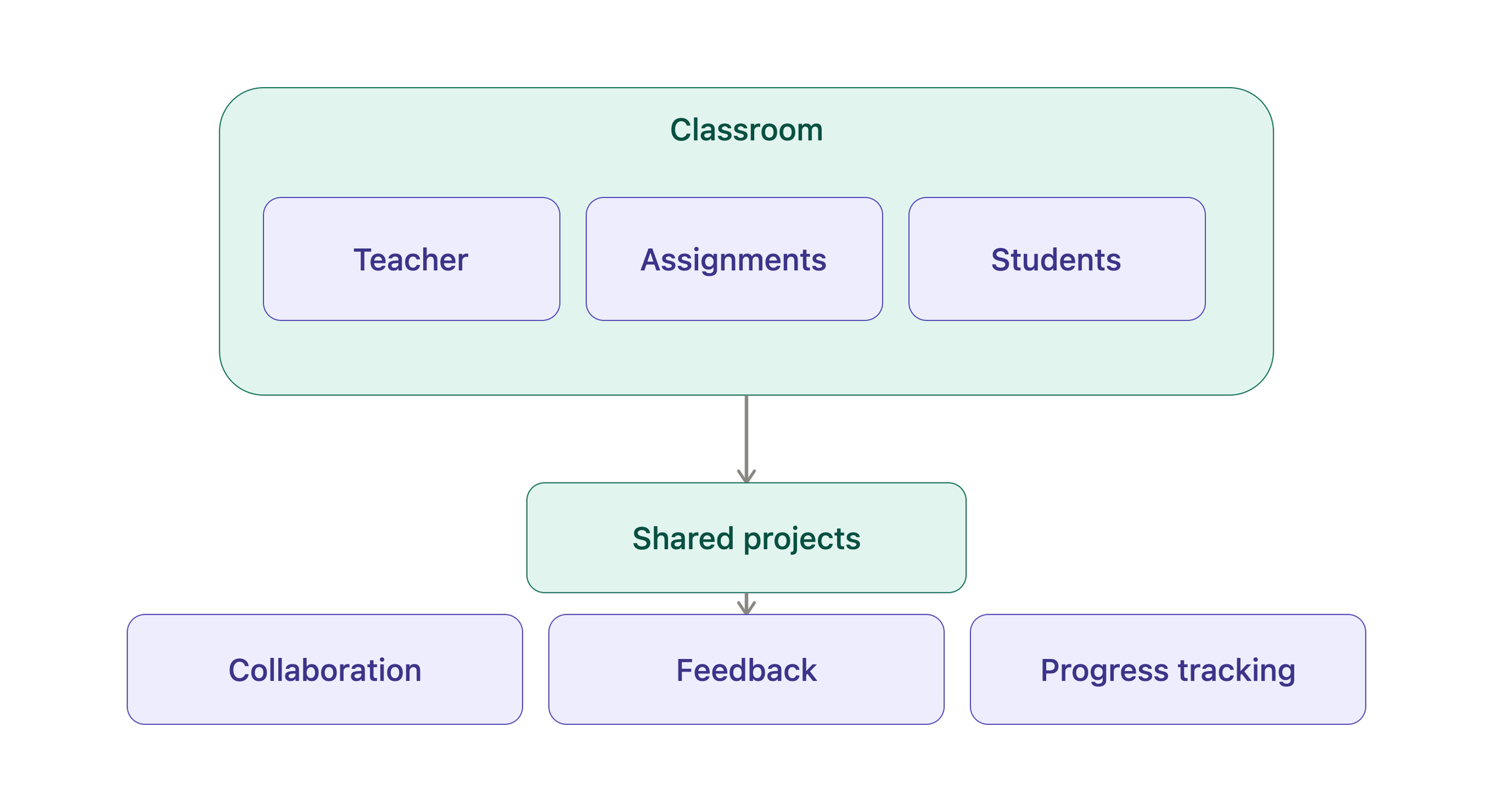
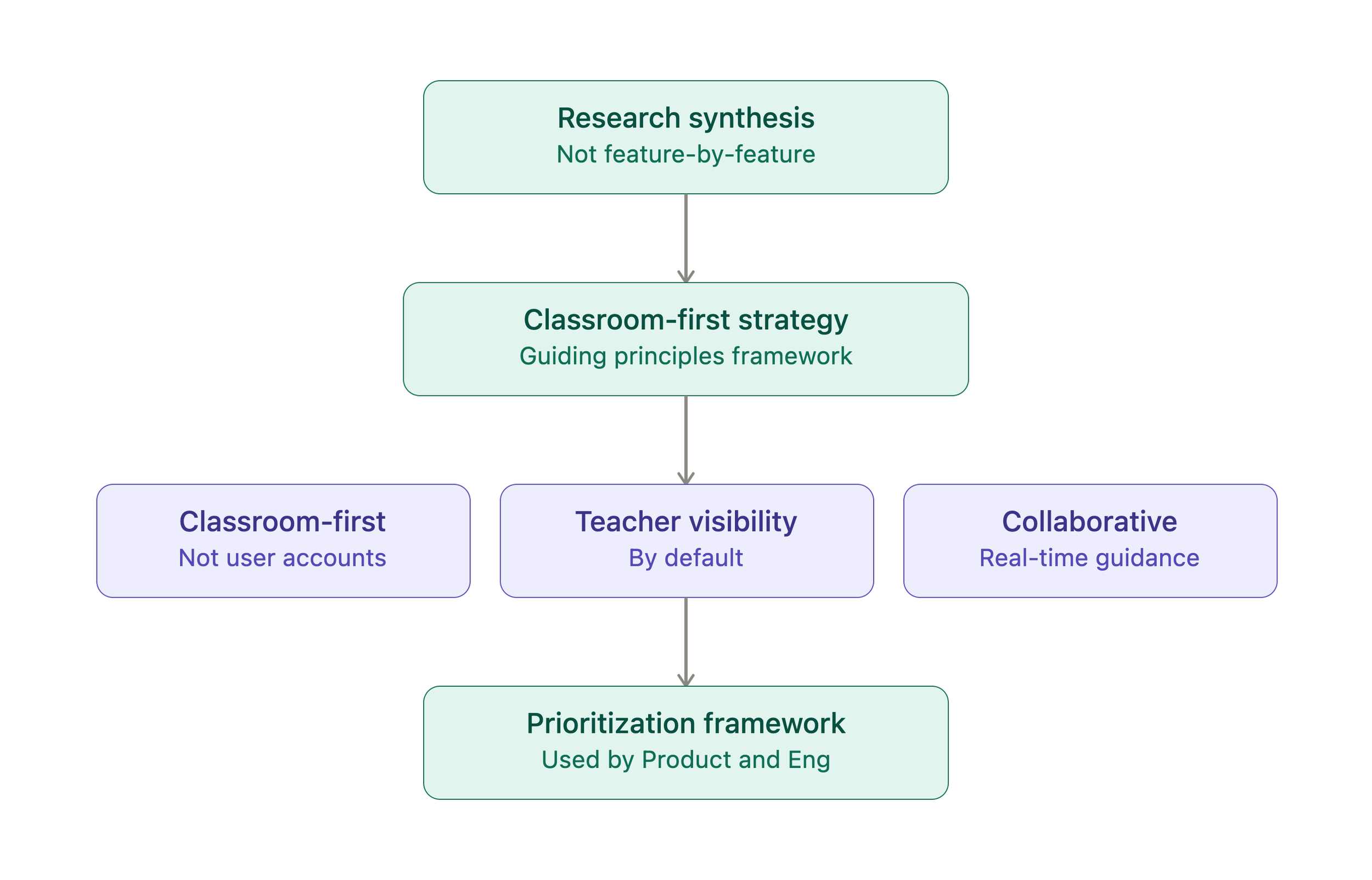
Rather than solving each issue independently, I synthesized the research into a broader product strategy centered around classroom-first management.
This shifted the conversation from individual features toward redesigning the underlying system.
Together with Product and Engineering, we aligned around three guiding principles.
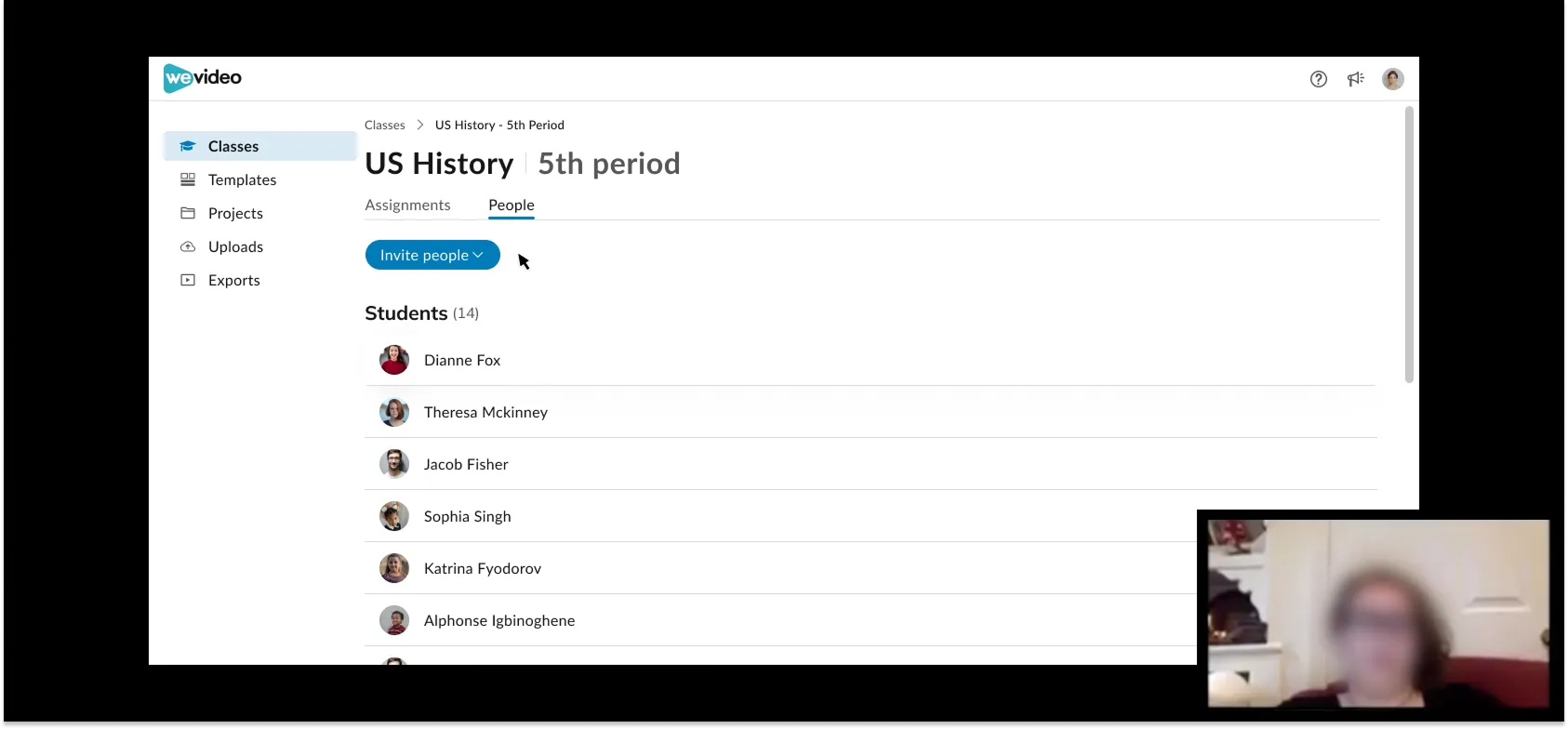
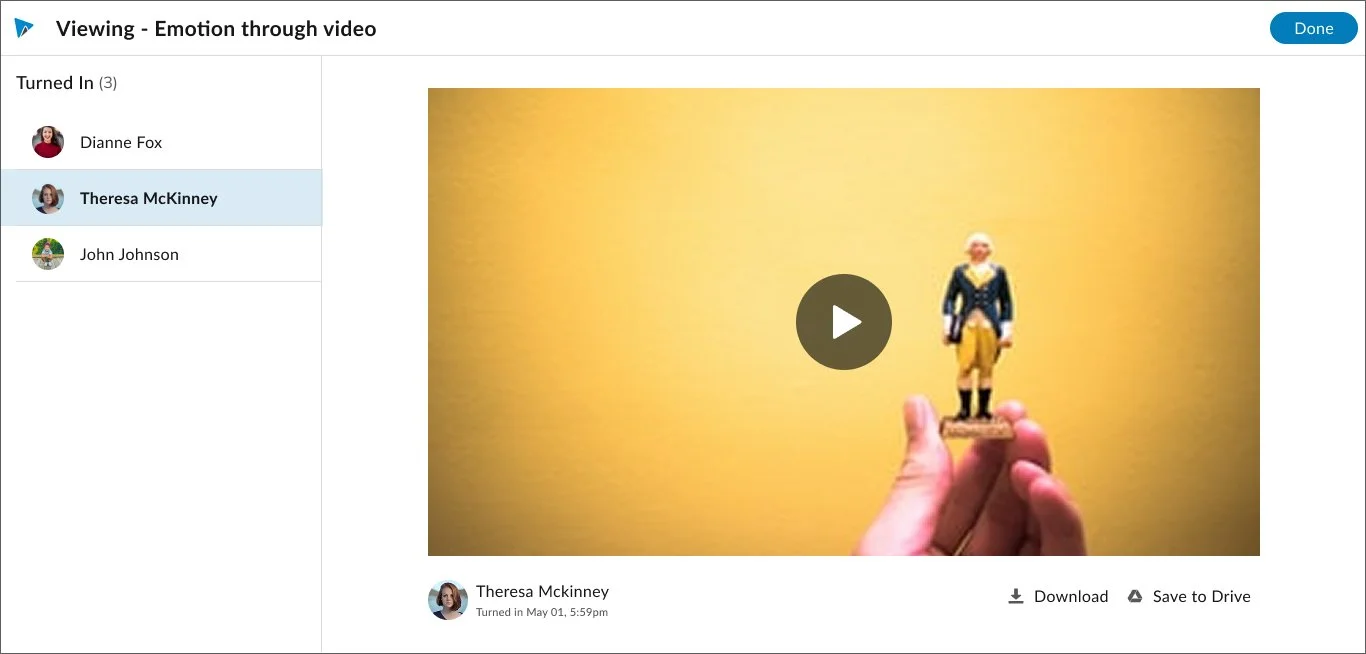
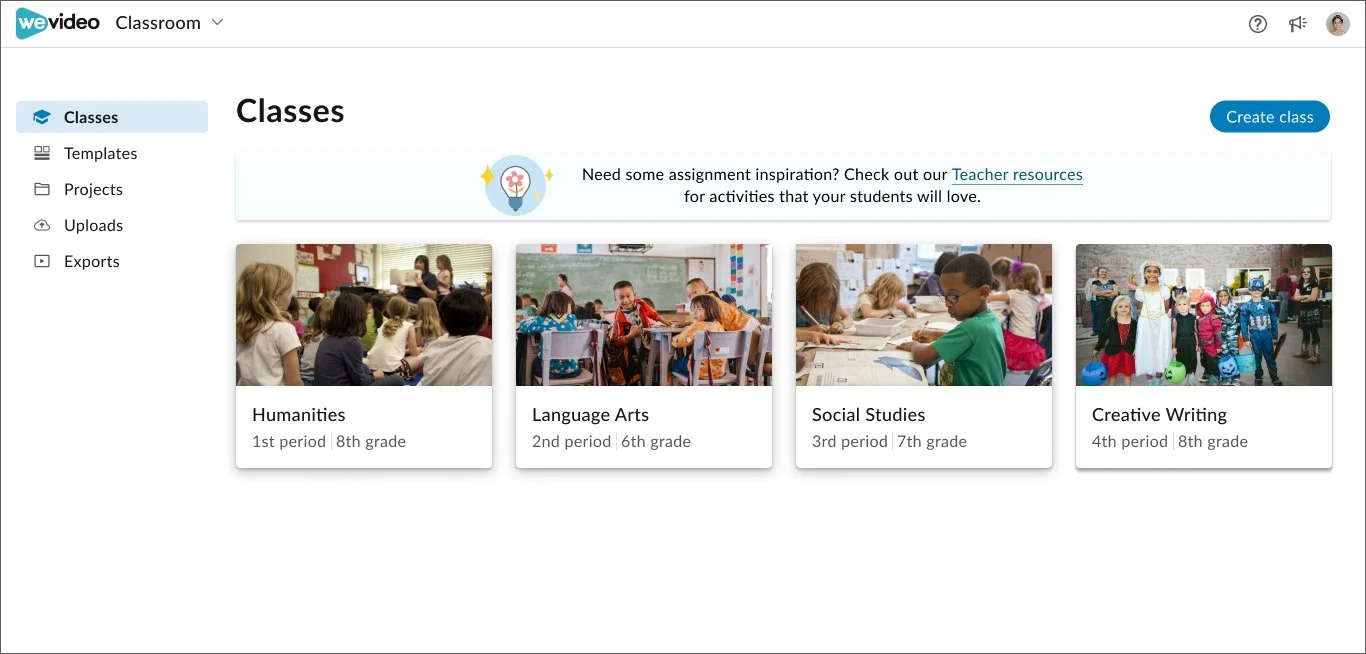
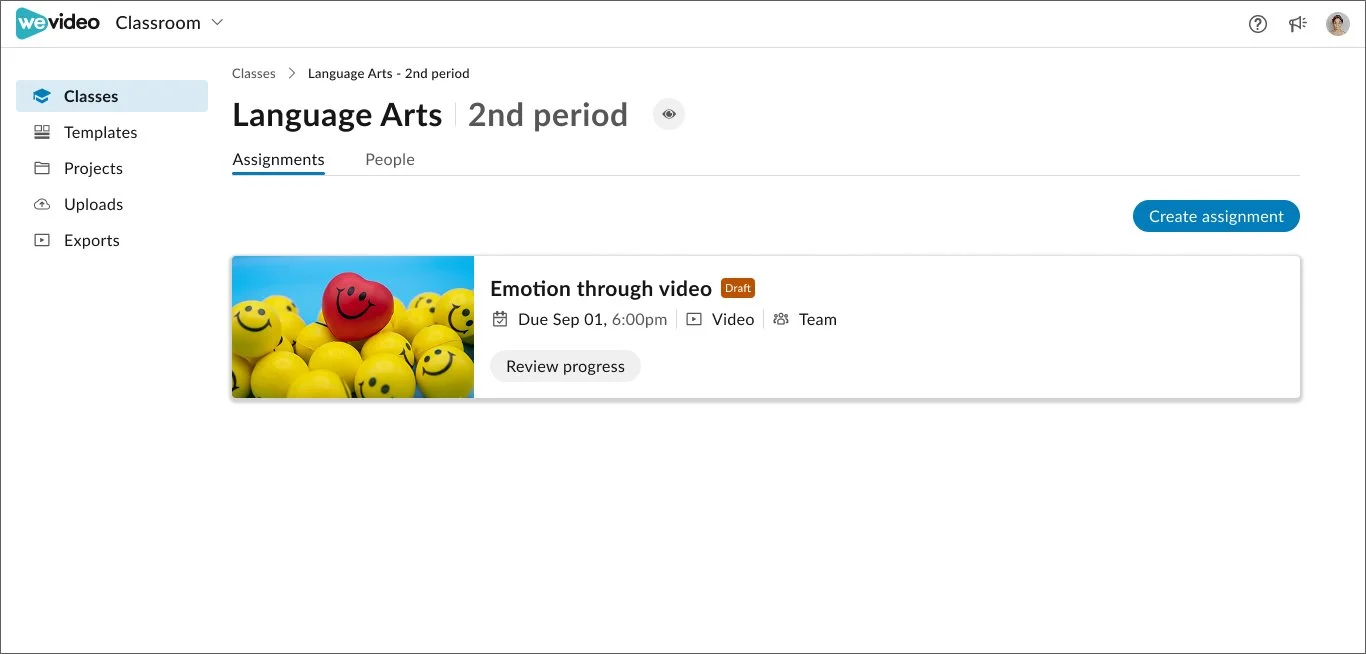
Classroom-first organization
Assignments, students, and projects should exist within the context of a classroom, not individual user accounts.
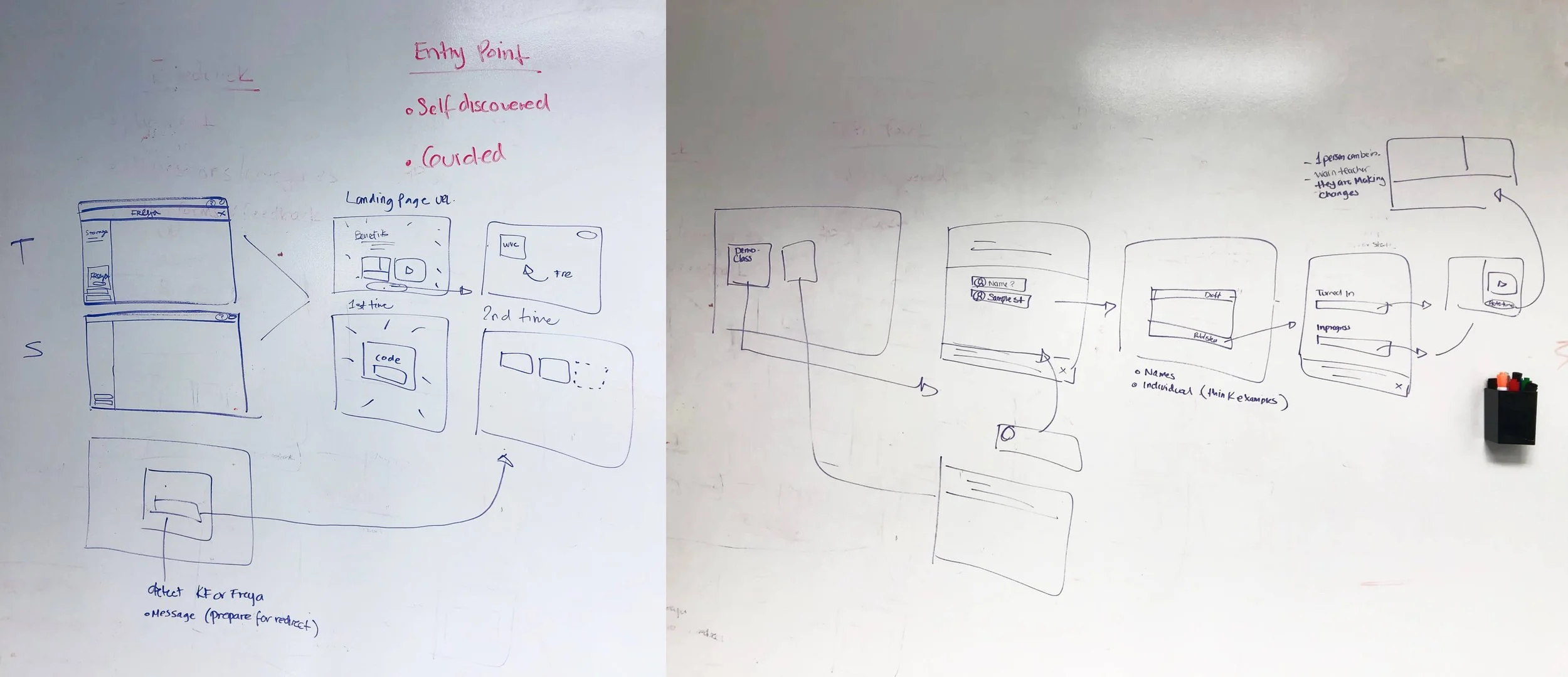
Before
Impact
6% increase in conversion
73% increase in usage
600 MAUs Impacted
After

After
The Challenge
The problem wasn't missing features.
It was that the product reflected our internal data model instead of classroom workflows.
Research revealed three systemic issues:
Classroom navigation conflicted with teachers' mental models.
Permissions and ownership created privacy concerns.
Collaboration workflows interrupted instruction instead of supporting it.
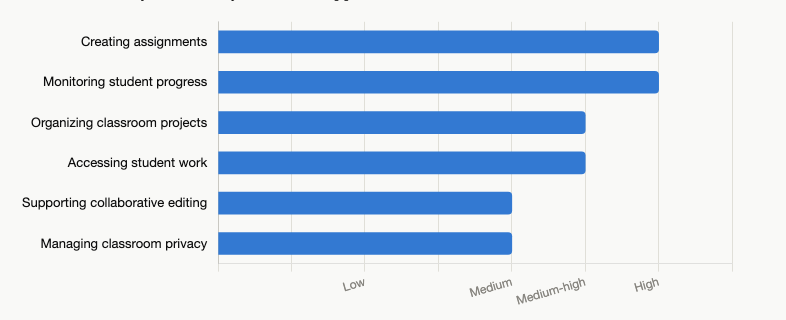
How might we reduce teacher workload while making classroom collaboration intuitive, secure, and scalable?
From Research to Strategy
I partnered with Education, Customer Success, and teacher ambassadors to conduct interviews, workflow mapping, and support analysis.
Rather than addressing individual usability issues, I synthesized the findings into three design principles that aligned Product and Engineering around a shared strategy:
Classroom-first organization over user-first architecture
Teacher visibility by default with appropriate privacy controls
Real-time collaboration that supports instruction without disrupting ownership
These principles became the framework for roadmap prioritization and implementation.
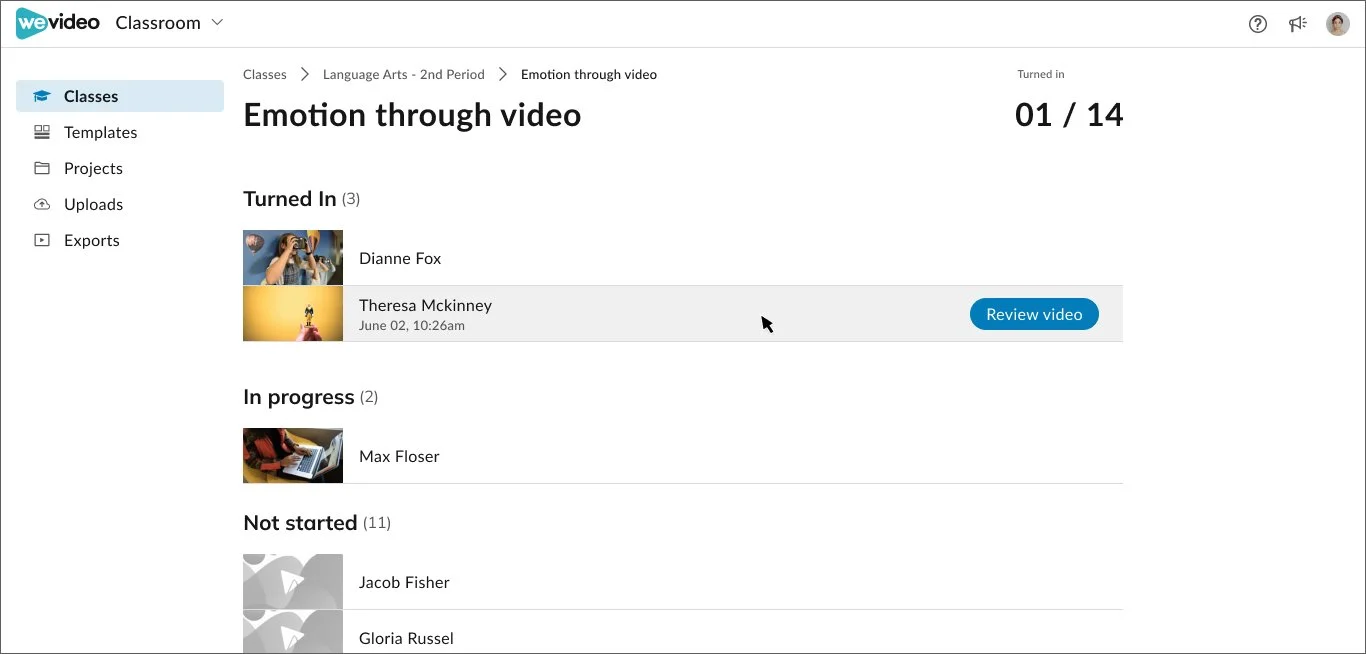
Final Design
Collaborative instruction
Teachers should be able to guide student work in real time without interrupting ownership or learning.
Leading Through Product Decisions
Rather than optimizing screens, I focused on the foundational decisions that would shape the product long term.
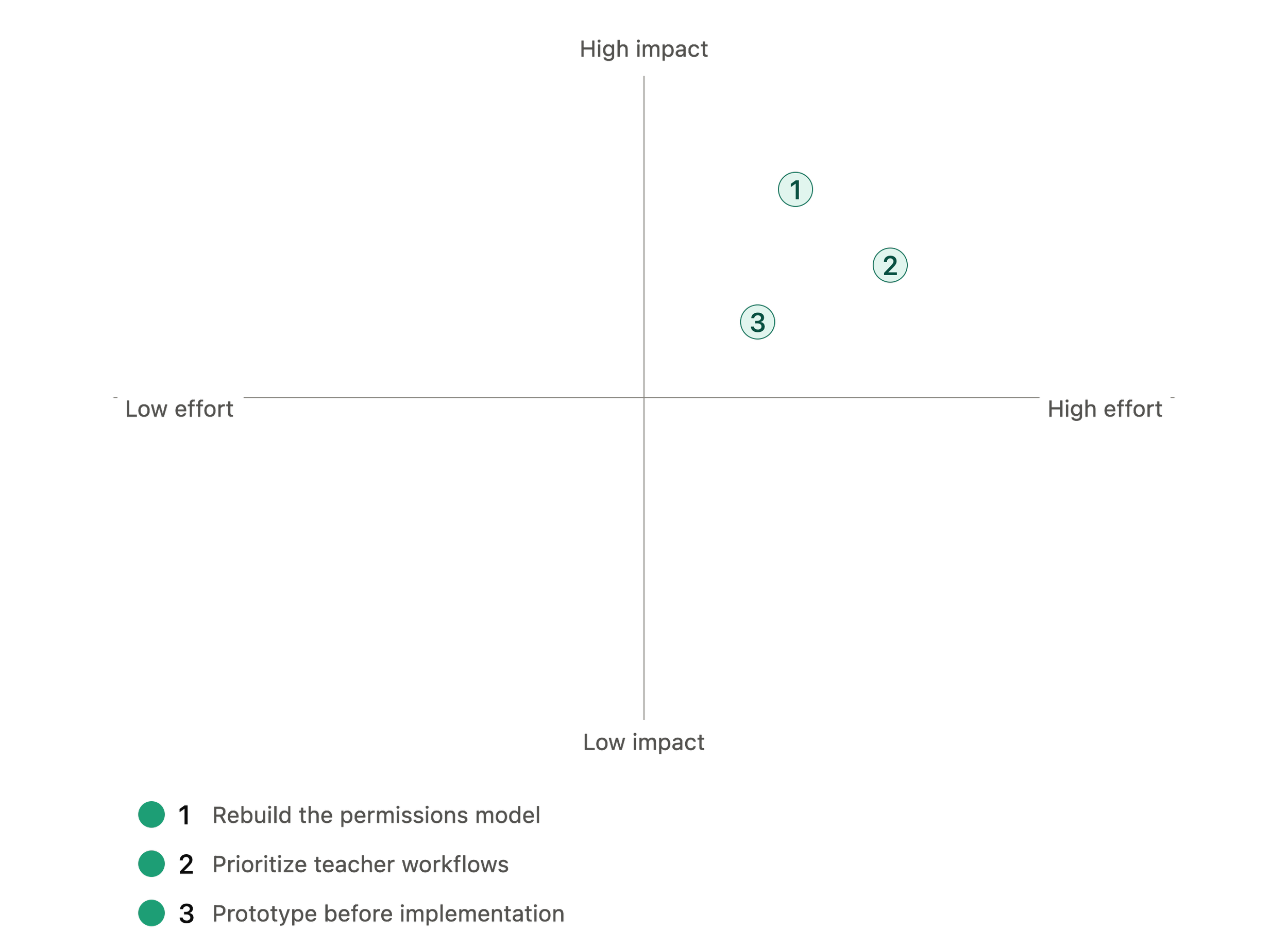
Rebuilt the permissions model. Instead of extending an increasingly complex system, I advocated redesigning ownership around classrooms, creating a scalable foundation for future education features.
Prioritized teacher workflows. Research showed teacher adoption drove classroom adoption, so we reduced administrative effort before optimizing student experiences.
Aligned teams with a north-star prototype. I created an end-to-end prototype that aligned Product, Engineering, and leadership before implementation, reducing ambiguity and accelerating delivery.
Teacher visibility by default
Teachers should have immediate access to classroom work while preserving appropriate privacy boundaries
Impact
The redesign reduced friction across the entire classroom management workflow while establishing a stronger foundation for future education products.
Business Outcomes

73% increase in usage
6% increase in conversion
600 monthly active users impacted during beta
22 fewer clicks required to complete the assignment workflow
Reduced classroom management support requests (add metric if available)
Teachers consistently requested that the redesigned experience become the default workflow, validating that the product now reflected real classroom practices rather than requiring educators to adapt to the software.
Beyond immediate metrics, the project established a scalable foundation for future education features.
Reflection
This project reinforced that the highest-leverage design work often happens before interface design.
By reframing classroom management as a systems problem rather than a feature redesign, we aligned research, product strategy, and engineering around a shared operating model that influenced both the roadmap and implementation.
Research only creates value when it changes decisions. Every major product decision—from permissions architecture to workflow prioritization—was grounded in educator needs, creating a solution that scaled for users, the business, and future product development.